Recovering from an injury can be frustrating, particularly when pain, reduced movement or time away from normal activities has affected your strength and confidence.
Tonesculpt is a non-invasive treatment that uses electromagnetic stimulation to induce muscle contractions in targeted areas. While muscle stimulation technologies have applications in rehabilitation, it is important to be clear about what a treatment such as Tonesculpt can and cannot do.
Important: Tonesculpt should not be used as a substitute for medical assessment, physiotherapy or an individually prescribed rehabilitation programme. If you have a recent injury, ongoing pain, swelling, weakness or restricted movement, seek appropriate healthcare advice before considering treatment.
What Is Tonesculpt?
Tonesculpt uses electromagnetic energy to stimulate targeted muscles, producing repeated involuntary contractions.
The principle is different from simply choosing to contract a muscle yourself. Some forms of electromagnetic and neuromuscular stimulation have been studied in relation to muscle conditioning and rehabilitation. However, evidence for one technology, device or clinical indication should not automatically be applied to Tonesculpt or to injury recovery generally. [1] See Here: EM Tone Sculpt: A Game-Changer in Non-Surgical Diastasis Recti Muscle Repair
This distinction matters. Evidence relating to one electromagnetic or muscle-stimulation device should not automatically be treated as evidence for every device marketed under a similar description
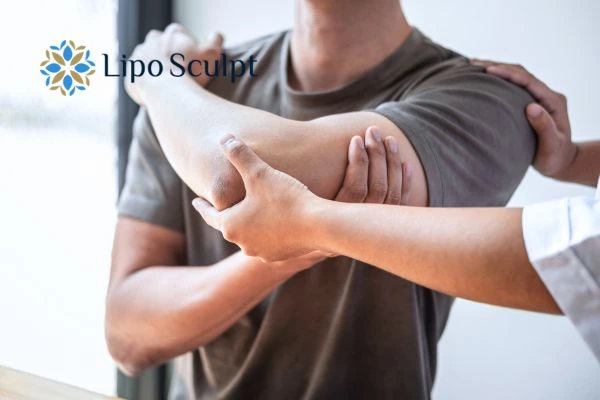
How Could Muscle Stimulation Support Rehabilitation?
After an injury, surgery or a prolonged period of reduced activity, muscles can become weaker because they are not being used normally. Rehabilitation commonly involves gradually restoring movement, strength, balance and function.
Muscle stimulation may serve as an adjunct to rehabilitation in some circumstances. Research into neuromuscular stimulation has found potential benefits in particular rehabilitation settings, including after certain injuries, although outcomes vary by condition, stimulation method, and rehabilitation programme.[2]
That does not mean that Tonesculpt can heal an injured ligament, repair a tendon or remove the underlying cause of pain.
A more realistic way to think about treatment is as a potential adjunct to muscle activation or conditioning, where the specific device and individual circumstances make this appropriate, rather than as a treatment for the underlying injury. See Our Tonesculpt Prices Here
When Might Tonesculpt Be Considered?
Someone recovering from an injury may be interested in muscle-stimulation treatments because they have experienced reduced muscle activity or strength during recovery. However, this does not mean that Tonesculpt is appropriate for every injury or stage of recovery.
However, suitability should be assessed on an individual basis.
The first question should be: what caused the problem, and what stage of rehabilitation are you at?
For example, persistent pain, swelling, instability, loss of movement or unexplained weakness may require assessment by an appropriate healthcare professional before considering an aesthetic or non-invasive treatment.
If rehabilitation has already been recommended, this should remain the focus of your recovery plan. Tonesculpt may only be considered alongside that plan where a practitioner considers it appropriate. NICE guidance highlights the importance of structured rehabilitation and restoring movement and function following traumatic injury.[3]
What Tonesculpt Cannot Do?
Do not confuse muscle stimulation with injury repair.
Tonesculpt should not be presented as repairing damaged tissue, curing an injury or guaranteeing a faster recovery.
It also should not replace physiotherapy, prescribed exercises, medical assessment or other treatment recommended for your particular injury.
Research has looked at electromagnetic and neuromuscular stimulation in rehabilitation. However, the studies vary in the technology used, how treatments are delivered, and the people included. Findings from one type of treatment or condition should not be assumed to apply to every injury or device. [2][4]
This is why an honest consultation should focus on whether the treatment is appropriate for you, rather than promising a particular outcome.
What Happens During a Tonesculpt Session?
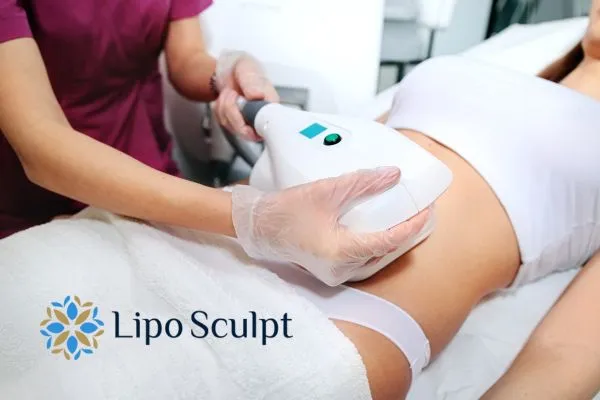
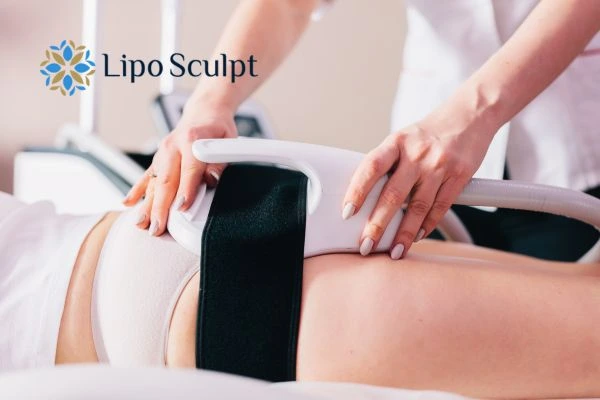
During treatment, the applicator is positioned over the selected muscle area, and the device produces repeated muscle contractions.
You may notice an unfamiliar feeling during treatment because the muscles are contracting without any deliberate movement from you. Treatment intensity should be set according to the manufacturer’s instructions, the treatment protocol and the practitioner’s assessment.
Some people may notice temporary muscle fatigue, soreness or other short-term effects after treatment. The practitioner should explain the expected effects and follow the manufacturer’s instructions.
Always follow the manufacturer’s instructions and the advice provided during consultation.
Safety, Suitability and When to Seek Medical Advice
“Non-invasive” does not mean “risk-free”. CAP guidance makes clear that objective health and beauty claims require appropriate evidence and that claims about treating medical conditions need particular care.[5]
The exact contraindications and precautions for Tonesculpt should come from the manufacturer of the specific device being used.
You should also tell the practitioner about relevant medical conditions, recent surgery, implanted electronic devices, pregnancy and any medication or treatment that may affect suitability.
If you have significant or unexplained pain, sudden weakness, numbness, loss of movement, substantial swelling or a new injury, seek appropriate medical assessment rather than relying on a cosmetic treatment.
What Results Should You Expect?
Results vary considerably between individuals.
If muscle stimulation is appropriate, the realistic aim should be to support muscle activation or conditioning rather than promise faster healing.
Your results can depend on the original injury, how long the muscle has been underused, your overall health and the rehabilitation programme you are following.
A consultation should therefore focus on realistic goals rather than guaranteed results.

Questions to Ask Before Treatment
Before booking Tonesculpt for an injury-related concern, consider asking:
- What is the treatment intended to achieve in my situation?
- Is my injury suitable for this type of muscle stimulation?
- Should I be assessed by a GP or physiotherapist first?
- What evidence supports the proposed use?
- What are the contraindications?
- What side effects or temporary effects should I expect?
- How does this treatment fit alongside my rehabilitation programme?
- What results would be realistic for me?
A suitable provider should explain both the possible benefits and the limitations of the treatment.
Frequently Asked Questions
Q: Can Tonesculpt replace physiotherapy?
No. It should not be presented as a substitute for diagnosis or structured rehabilitation. Where physiotherapy has been recommended, any additional treatment should be discussed in the context of that rehabilitation plan.[3]
Q: Can Tonesculpt heal an injury?
Tonesculpt should not be described as repairing every type of injury. Its potential role is related to muscle stimulation, not automatically repairing damaged ligaments, tendons or other tissues.
Q: Is Tonesculpt suitable immediately after surgery?
Not necessarily. Timing depends on the procedure, the individual’s recovery and the manufacturer’s contraindications and precautions. Medical advice may be appropriate before treatment.
Q: Can I use Tonesculpt if I still have pain?
Persistent or unexplained pain should be assessed appropriately before treatment. A cosmetic treatment should not be used to avoid necessary medical assessment.
Q: How many treatments will I need?
There is no single number that applies to everyone. The appropriate treatment plan depends on the individual’s circumstances and the specific device protocol.
Q: Is Tonesculpt painful?
The treatment involves strong involuntary muscle contractions, so the sensation can be unusual or intense. Treatment should be carried out according to the device manufacturer’s instructions and adjusted appropriately.
Is Tonesculpt suitable for everyone?
No. Suitability depends on the individual and the specific device. A proper consultation should identify relevant contraindications, precautions and expectations before treatment.
References & Further Reading
[1] NICE: Rehabilitation after traumatic injury (NG211), 2022: Provides guidance on individualised rehabilitation, including movement, exercise and recovery following an injury. NICE: Rehabilitation after traumatic injury
[2] FDA — Guidance Document for Powered Muscle Stimulator 510(k)s
Useful for explaining the intended uses and limitations of powered muscle-stimulation devices. FDA: Powered Muscle Stimulator Guidance
[3] Malone, J.K., Blake, C. & Caulfield, B.M. — Neuromuscular electrical stimulation during recovery from exercise: A systematic review: Journal of Strength and Conditioning Research, 2014. Supports the cautious discussion of muscle stimulation and recovery, noting that evidence is mixed.
PubMed: Neuromuscular electrical stimulation during recovery from exercise
[4] Ferreira et al. — Effects of photobiomodulation, intermittent pneumatic compression and neuromuscular electrical stimulation on muscle recovery
Journal of Bodywork and Movement Therapies, 2025. Provides more recent evidence concerning neuromuscular stimulation and muscle recovery.
PubMed: Muscle recovery systematic review
[5] ASA/CAP — Substantiation for health, beauty and slimming claims
Explains the evidence required when making objective health, beauty or treatment claims in advertising. ASA/CAP: Substantiation for health, beauty and slimming claims
For more information, please call us on 03300101799.